logotype

How to Migrate Monolithic to Microservices: Our Approach

We help organizations revamp core systems through monolith-to-microservices migration, retaining data consistency and high performance.

expert

Alexander Arabey

Co-founder, VP of Business Development

Monolithic architecture decoupling isn’t just about splitting the code. It’s about rethinking how digital systems operate, communicate, evolve, and tackle risks. In this guide for migration to microservices, you will find why a monolithic transformation is a smart step. You will learn how we handle static data, decompose the same functions without losing quality, maintain alignment with standards, and see how our team can apply the insights to your project.

Why Migrate a Financial Solution from Monolithic to a Microservices Architecture?

Modern platforms need modern solutions. That is why we see companies decomposing their legacy monolithic platforms into agile microservices. Being constructed as a number of separate blocks responsible for a single business capability, the decoupled system gains resilience, adaptability, and other vital upgrades.

Enhanced Responsiveness

Unlike a typical monolithic application, microservices-based systems process operations, update records, and deliver services in near-real time. Since individual services are optimized independently, critical functions retain speed and availability, even under peak loads or unexpected traffic spikes.

Ultimate Flexibility

Every new service added to a monolithic solution entails extra risks. The microservices approach is a real lifesaver. It allows organizations to diversify the tech stack for each component and add SaaS solutions, third-party services, and new integrations to the core functionality without damaging the backbone modules.

DevOps Compatibility

Microservices naturally align with continuous integration, deployment, testing, monitoring, infrastructure as code, and other DevOps practices. This fosters collaboration among multiple teams working on the same project and brings faster development cycles, safer deployments, and more predictable system maintenance.

Horizontal Scalability

Do you think it's impossible to scale a high-traffic service during peak hours without hampering other operations? Not at all. After migrating existing applications to a microservice architecture, teams unlock new scalability, adding servers and increasing system capacity in line with current demands.

Clean Codebase

Decoupling the monolithic codebase into separate components streamlines code reviews and automated testing, which reduces technical debt and tangled dependencies. In turn, clearer, maintainable code positively impacts specific business capabilities, such as order processing, anomaly detection, or user onboarding.

Frequent Deployments

It's much easier to roll out a single component than a fully fledged system. When migrating legacy applications to microservices, you split the cumbersome architecture into isolated constituents that can be deployed quickly without affecting the whole product. This accelerates time-to-market, letting companies delight customers with fresh features and updates.

clientLogos
clientLogos
clientLogos
clientLogos
clientLogos

Surefire Monolithic to Microservices Migration Strategy

Monolith transformation is a worthwhile yet tricky endeavor that requires careful planning and profound tech expertise. Here are our strategic steps to migrate from monolithic to microservices with minimal risk and downtime.

  • Architecture Assessment We always start digital transformation with a monolith multilevel evaluation. The experts review the application, infrastructure, and data architecture to check whether the system is ready for migration. During the stage, we also request documentation specifying the current state of software and modules and access to the source code (optional)..
  • Roadmap Creation With all the information gathered, we decide how to migrate to microservices. While saturating the roadmap with implementation details, our specialists consider business priorities, regulatory/industry requirements, possible data integration methods (data replication, ETL, ELT, change data capture (CDC), etc.), inter-service communication options, and other paramount parameters.
  • Service Design & Development Once the plan is approved, the team gets down to work. The step ends with the implementation of a central API gateway (for routing, security, rate limiting, and monitoring) and a service-specific database (for data separation and consistency).
  • Microservice Database Migration Being dedicated to monolithic database decoupling and synchronizing, the stage proves to be one of the most challenging. The team splits the database into service-specific schemas and migrates relevant data objects while implementing eventual consistency models.
  • Deployment & Integrations At this stage, we lay the groundwork for further DevOps practices and connect the services with the existing backend and other third-party extensions. The pool of activities embraces the creation of CI/CD pipelines, containerization via Docker and Kubernetes, and control over logging and other metrics. After successful deployment, we craft scalable service-to-service communication mechanisms and smooth integrations with external providers and analytics tools.
  • Testing Now it's time to put the system through its paces with an extended suite of testing practices. That's when our team develops automated tests and checks performance, security, and functionality. We gather the results into a detailed report.
  • Migration & Support When all the failures and errors are fixed, we launch a full-scale migration. Our specialists keep a sharp eye on the process, providing troubleshooting and valuable recommendations. After migration, we optimize the microservices infrastructure and scale extra services on demand.

What Are the Migration Challenges, and How Do We Solve Them?

Data Loss or Inconsistency

Data issues often arise when you deal with tightly connected data schemas and interdependent operations. Since even minor discrepancies can trigger significant business impact or regulatory scrutiny, we apply CDC, event sourcing, and automated data reconciliation for maximized consistency.

Increased Downtime

Absence of a gradual migration plan may lead to interruptions in critical operations. To keep constant service availability, we resort to a strangler pattern migration and asynchronous communication.

Security Violations

During the transitional phase, when both the monolith and newly decoupled microservices coexist and interact, the system becomes most vulnerable. In such mixed environments, we implement strict security protocols, data encryption, and API-based traffic management to protect the software.

Management Complexities

A microservices architecture introduces operational overhead with multiple service lifecycles and dependencies. We keep this under control and leverage Kubernetes orchestration, service meshes, and centralized observability tools to streamline management.

Reached a deadlock during the migration process? The experts from Qulix are ready to uncover the reason during a thorough audit and recommend system-saving solutions.

LEARN MORE
cta

Microservices Migration Patterns We Recommend

When dealing with complex fintech projects, we mostly use an API-based migration pattern, as it brings centralized control to request handling and simplifies security compliance and caching.

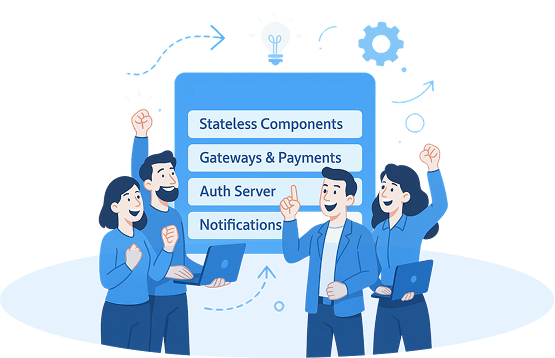
Our team starts decoupling with these blocks:

tiles-dual-image
  • Stateless components
  • Services working with external systems (providers, third-party connectors)
  • Authentication server
  • Notification module
explore the case

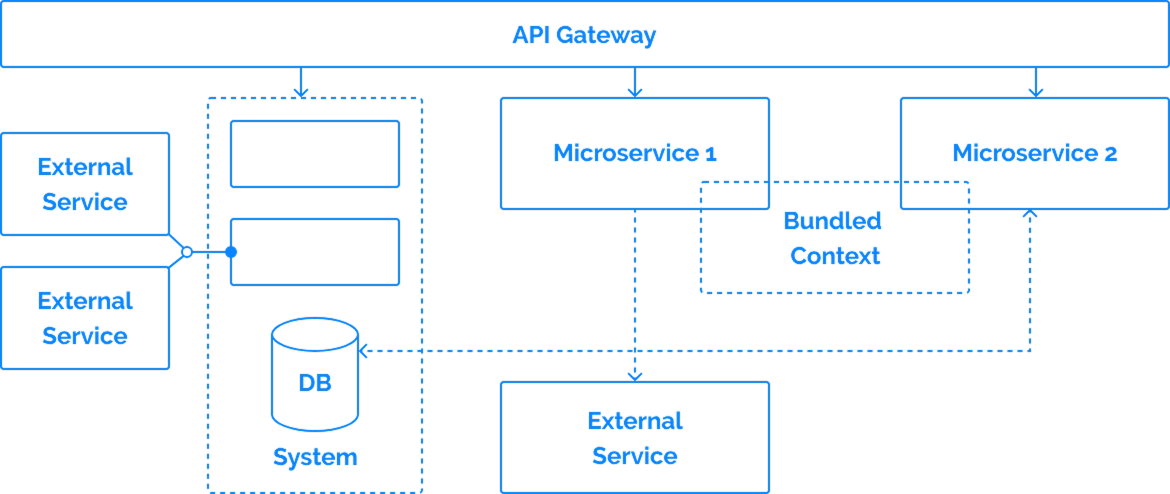
After decoupling of 1–2 services, the Logical Architecture Diagram looks the following way:

paragraph-img

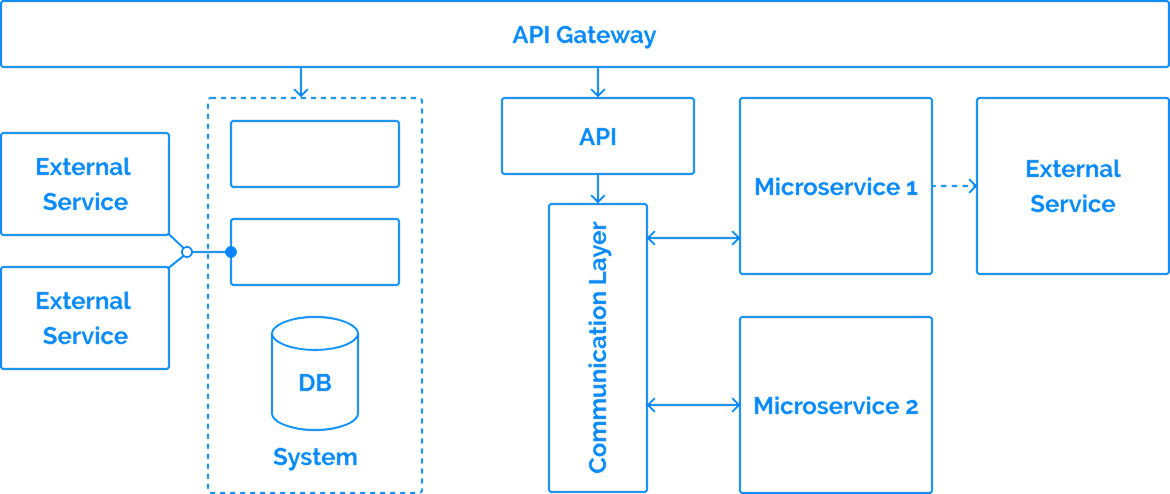
Here's a high-level scheme of Microservice Architecture with the Communication Layer:

paragraph-img

Here's a high-level scheme of Microservice Architecture with the Communication Layer:

paragraph-img

Microservices Migration Services by Qulix

System Audit & Consulting

Reduce hidden security gaps and legacy bottlenecks by entrusting system analysis to our seasoned experts. After the audit, you will gain a clear migration roadmap specifying the monolith state, service boundaries, database dependencies, transformation patterns, and communication options.

Data Migration

Avoid downtime and data integrity risks with our database decoupling services. We follow an incremental approach and employ event sourcing, real-time replication, CDC, and other battle-tested practices to guarantee a smooth and secure transfer of sensitive data.

Fully-Fledged Migration

Unlock faster deployments, improved system resilience, and lowered operational risk, relying on our full-cycle transformation assistance. From monolith decomposing to Kubernetes-orchestrated microservice launch, we deliver the target result with minimal efforts on your side.

Migration Testing

Cut down the testing phase while enhancing the code quality and performance of the ready-to-migrate system. With integration, load, and chaos tests and real-life failure simulations conducted by our engineers, you get a stable, standards-aligned solution within the shortest time.

Define the right scope of migration services for your project during a free consultation.

GET A CONSULTATION
cta

Our Migration Toolset

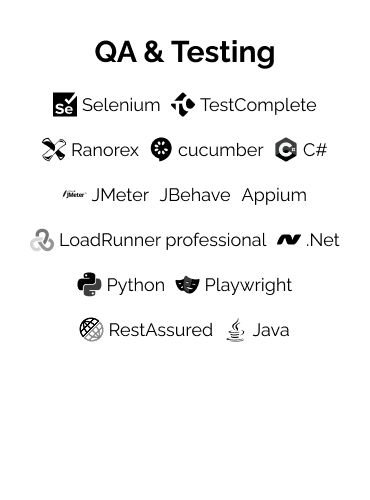
QA & Testing
Cloud
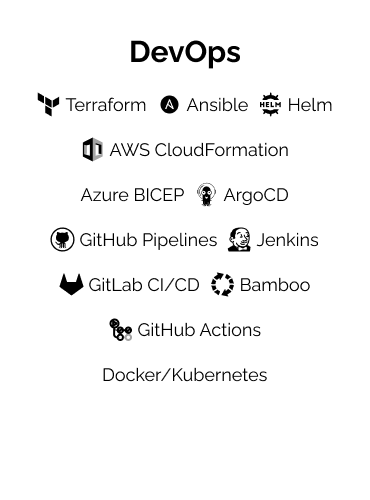
DevOps and Cloud
Databases Tools
Data Integration Tools
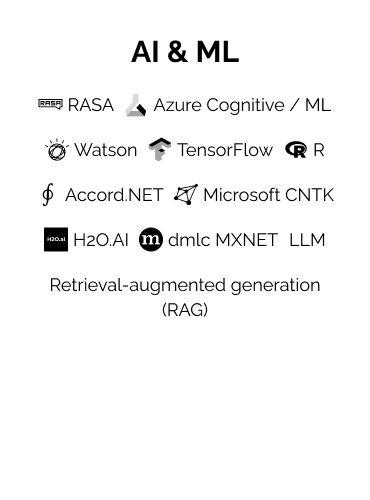
AI & ML

Cooperation Models We Offer

Outsourcing

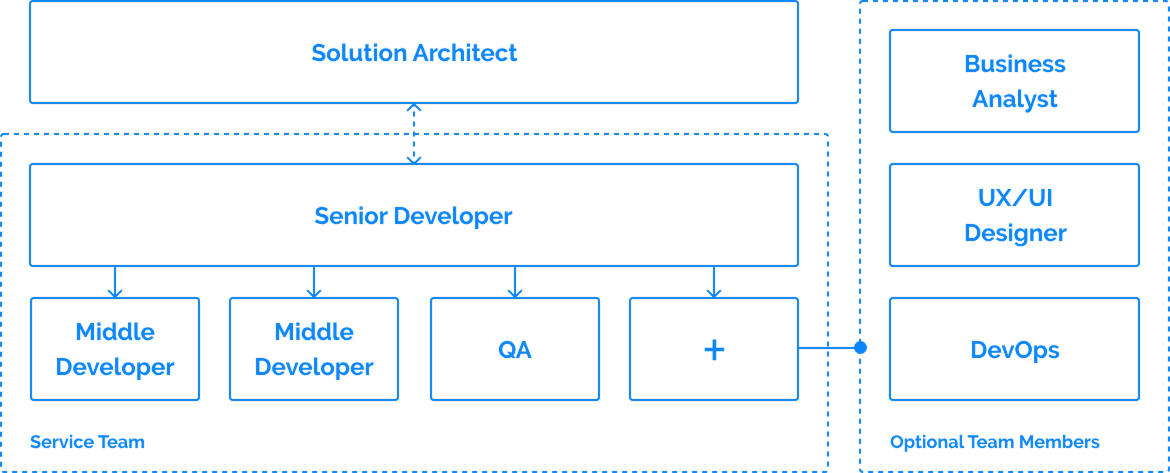
A dedicated team of microservices migration professionals, ready to plunge into the client's project. Our architects, engineers, and DevOps experts have a shared hands-on experience in modernizing complex systems and delivering scalable and future-proof solutions. During the project, the Qulix team works in a dedicated workspace with separate server facilities under the client's logo and strict security policies.

Outstaffing

Either individual experts or cross-functional teams, integrated into the client's in-house capabilities. Throughout monolith decoupling, our specialists tackle the technical complexities, operational risks, and system extensions under the client's management and guidance. This is a smart and cost-friendly way to strengthen internal resources with top talent and retain full control over the project.

Microservices Migration Outcomes

Parameter
Before Migration (Monolith)
After Migration (Microservices)
Resilience
Any failure affects the overall solution functionality and performance
Isolate each component from failures in other services and increase solution sustainability
Scalability
Necessity to scale the entire system
Scale individual services based on current business needs
Tech Stack
Single application tech stack
Create each service with a particular programming language and framework
Data Management
Single system database, requiring complex management and maintenance
Simplify management and maintenance with a separate database for each component
Service-to-Service Communication
In-process function calls
Choose asynchronous messaging or REST/gRPC, depending on project needs
Deployment
Increased risks, all-at-once rollouts
Get the most out of continuous deployment and integration (CI/CD)
Security & Compliance
Complicated, error-prone approach requiring extensive effort
Reduce threats and minor bugs with isolated, service-centered controls
image
Microservices Migration of the Core System
A leading regional organization, struggling with slow operation processing and limited system scalability, approached us in search of a tested solution. The Qulix team accepted the challenge. After a thorough analysis of the legacy core platform, we recommended a Kubernetes-based microservices migration and offered assistance with its implementation. The Client received the migrated platform with zero downtime, ultimate data integrity, and uninterrupted operations. Now, the system ensures accelerated near-real-time processing and vast scalability options, allowing the Client to extend the user load with no risk.

Six Extra Reasons to Make Qulix Your Fintech Migration Partner

Instant Communication

We provide a personal account manager available round-the-clock, so you can maintain prompt communication with the team and solve any issue on the go.

Beneficial Collaboration

We aim at long-term, mutually beneficial partnerships, crafting solutions with scalability in mind, so you can have vast possibilities for a seamless, on-demand functionality extension.

Fast Team Scaling

We expand the outstaffed team with up to 10 experts per month and replace specialists within 1–2 days, so you can hire top talent without downtime.

Client-First Approach

We recommend rather than impose, considering architecture specifics and requirements, so you get a solution tailored to your objectives.

Cross-Industry Expertise

We share the best practices from complex transformation projects, so you can access practical development tips and upskill your team.

Security Alignment

We conduct regular audits and align with ISO 9001, ISO 27001, OWASP, GDPR, and other standards, so you can be sure of your system reliability.

Information to Prepare for Your Product Assessment

Current System Architecture

Provide detailed documentation of the existing architecture to let us plan the entire migration process. Include logical and deployment views, a technology stack inventory, UML diagrams, data flow diagrams (DFD), and network topology layouts (if available). This helps us evaluate service dependencies, data access patterns, and potential bottlenecks, and identify integration points and inefficient resource utilization.

Functional Modules

Create a structured overview of functional modules and feature sets, mapping out business capabilities and indicating service boundaries. If possible, add a Software Requirements Specification or a hierarchical view of functional components. This helps us prioritize migration phases, decompose the monolith around business-critical processes, and prevent functionality gaps during the transition.

Non-functional Requirements

Think through non-functional requirements for both current and target architectures. Focus on performance benchmarks, availability expectations (as per SLA), reliability, horizontal/vertical scalability, data integrity controls, and security protocols. We gather these metrics to align the migrated microservices-based system with operational standards while ensuring agility and resilience.

Source Code (Optional)

If possible, share access to the source code, as it significantly improves the precision of architectural reviews and migration roadmaps. Code-level insights allow us to detect hidden service dependencies, programmatic risks, and proper design patterns. The step brings tangible value to complex, feature-rich platforms where even minor undocumented functionalities can impact stability or data integrity.

How to Get Started?

  1. Fill in the contact form
  2. Let us assess the project
  3. Pick the migration approach
  4. Get the quote
  5. Sign the contract
  6. Launch the project

Get one step closer to a flexible yet sustainable digital environment with a trusted microservices migration partner.

Get one step closer to a flexible yet sustainable digital environment with a trusted microservices migration partner.

GET STARTED
cta

FAQ

Splitting a monolithic system into multiple services with their own data storage mechanisms is the key goal behind microservices migration. Being relatively isolated and independent, these services use an API gateway to maintain inter-service communication. The architectural style enables a more responsive UI, minimal dependencies, a strong basis for CI/CD, and advanced scalability.

  • Single responsibility per service
  • Fault isolation to protect overall performance
  • Independent deployment of components
  • Relative heterogeneity (different stacks/databases per service; unified UX via protocols)
  • Infrastructure automation for repeatable configuration
Common patterns include:
  • API-based (gateway for routing, security, caching)
  • Database per service (separate schema per service)
  • Circuit breaker (failure containment)
  • Event sourcing (state as a sequence of events)
  • Strangler (gradual refactor with minimal disruption)
  • Saga (distributed transaction coordination)

The right mix depends on goals, backend state, scalability needs, and risk analysis.

Apply a step-by-step strategy: assess the monolithic database, plan domain boundaries, implement synchronization (CDC/replication), move interfaces incrementally, and validate consistency with automated checks before enabling continuous deployment.

A gradual approach where new functionality is built as microservices while the legacy monolith is incrementally replaced, reducing disruption and risk.

Legacy complexity, tight coupling of business logic and data, operational risk, and potential downtime. Selecting an experienced migration partner helps maintain performance and data consistency at every stage.

Related Pages

We’d love to hear from you!

Tell us about your project or the challenge you have, and we’ll get back to you soon.

Prefer direct contact?