What hides behind the mysterious term “conversational generative AI” in software development? Here’s a classic scene: the glow of a monitor, rhythmic tapping on a keyboard, and the quiet hum of a developer's tireless mind. Now add an unexpected companion: artificial intelligence. It’s a digital sidekick that taps into late-night hours, analyzing existing code and spotting its quirks. Does it bring value or only hinder the development process?
In today's article, we'll explore the positive and controversial aspects of the human-machine alliance in coding. Let's get started!
The Rise of Generative AI
Today, developers can't stop giggling at this joke: “I let AI write my function, and it worked!” But beneath it lies a deeper truth. A recent Salesforce study discovered that half of surveyed employees (54%) have concerns about the accuracy of generative AI results, while 59% believe they're biased. So why do three out of five workers (61%) still rely on artificial intelligence?
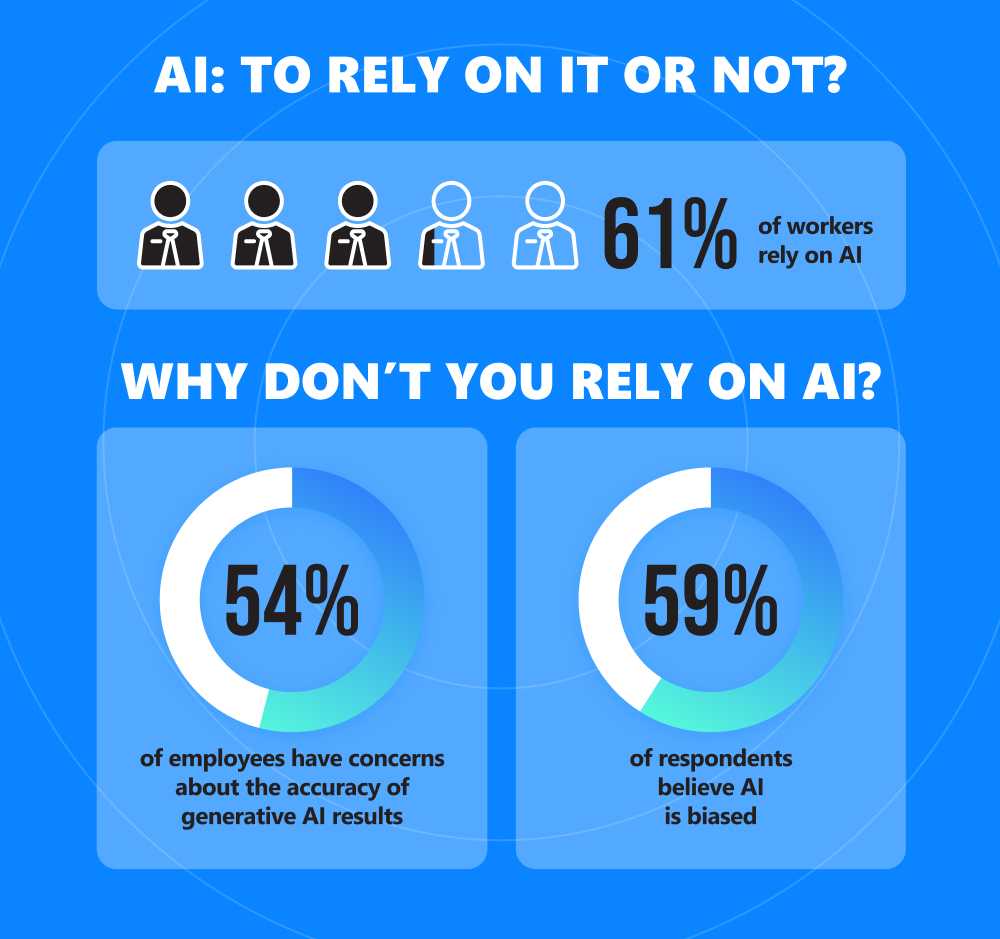
The wisest way to understand the paradox would be to go into the technology’s nature.
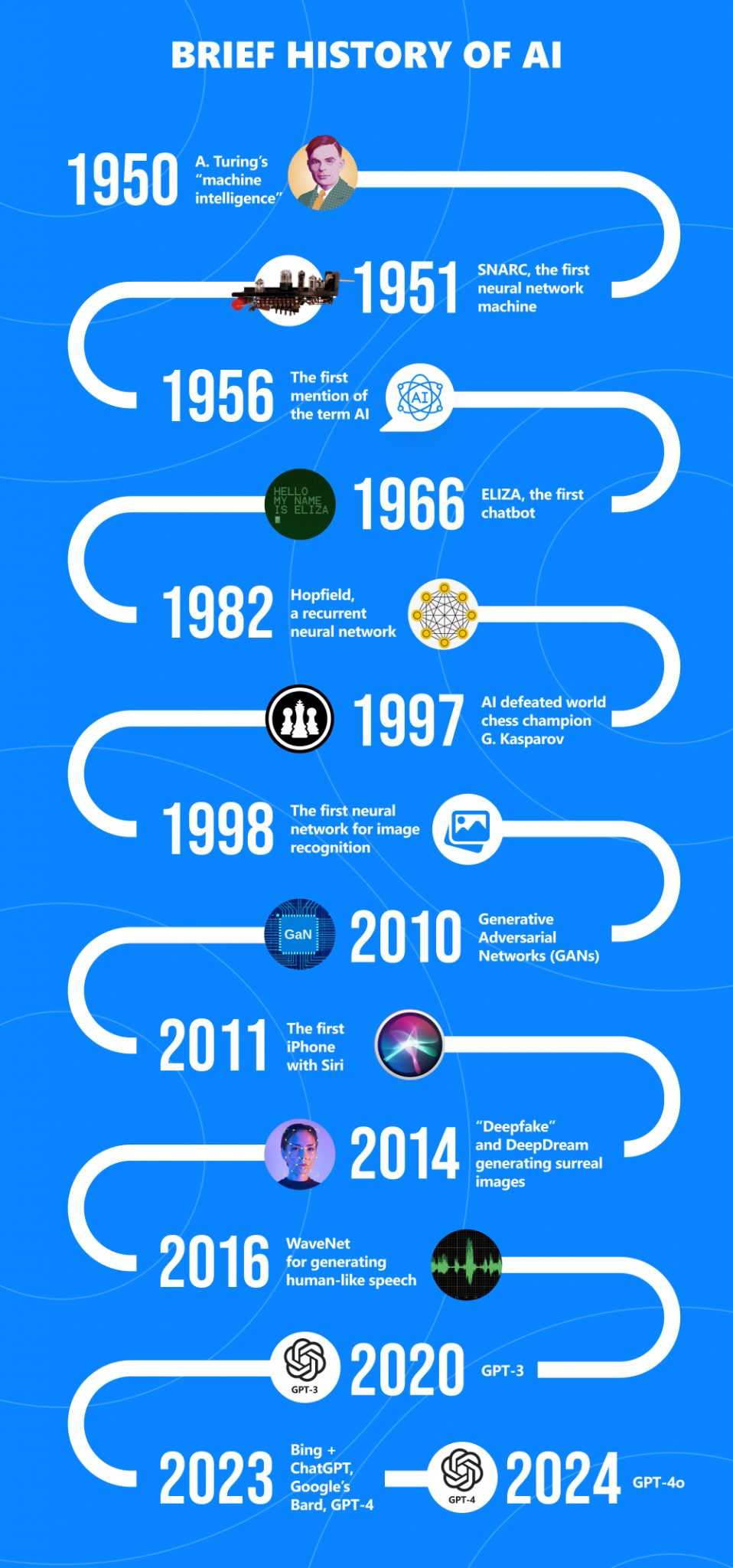
Brief History
Generative AI, capable of creating original content, has a fascinating and relatively short history. Within 60+ years, “thinking” computer systems have evolved significantly, shifting from rule-based logic to generating professional-looking video and music. Let's explore the major milestones along the way:
The Role of AI in Software Development
In recent years, artificial intelligence has solidified its role in software development, particularly within the coding process. Its ability to analyze massive amounts of data, learn from patterns, and offer valuable insights is reshaping the very fabric of software creation. How exactly does it do this?
Benefits of AI in Software Development
Now that we’ve covered the roles, let's bring perks to the table. What benefits are hidden behind the veil of smart ones and zeros?
Cutting Boilerplate Code by Half
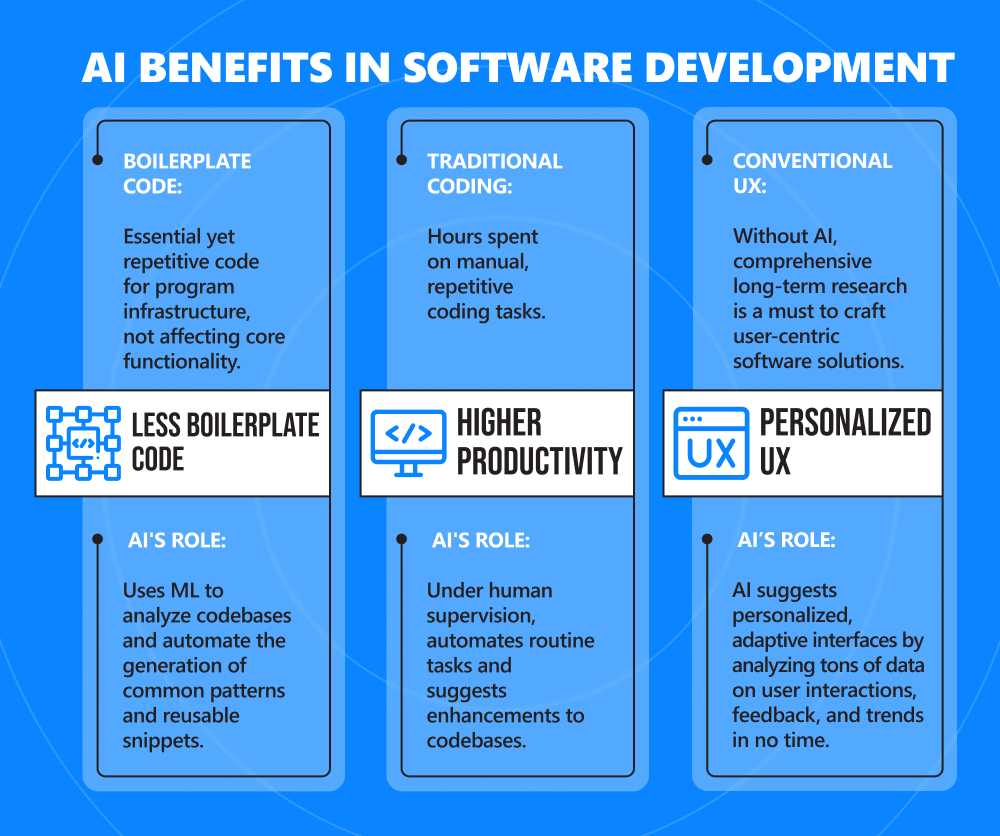
Boilerplate code refers to sections of code necessary for a program's infrastructure but not directly affecting its core functionality. It typically includes repetitive tasks like input validation or error handling. While essential, writing and maintaining boilerplate code can be tedious for human developers. This is where dedicated AI tools step in. By leveraging machine learning algorithms, these tools scan existing codebases within an integrated development environment. They identify common patterns and reusable code snippets for automated generation.
Elevating Developer Productivity
Traditionally, developers dedicate countless hours to manual code writing, often dealing with repetitive patterns. AI-generated code can save them extra hours of work on certain tasks: automate mundane activities or suggest enhancements to refine the codebase. Despite this technological leap, the indispensable role of human supervision remains unchanged. While AI-assisted code generation is a promising frontier, we have yet to reach the pinnacle of fully autonomous and impeccable code creation.
Personalizing User Experience
AI tools in software development go beyond mere coding and bug detection. Besides bolstering product dependability, they also make a big difference in shaping user satisfaction. AI’s contribution? It suggests interfaces that are both personalized and adaptive. Using ML algorithms, it analyzes user interactions across diverse software environments, gathers feedback from successful and less-than-ideal sessions, considers demographic trends, and heeds the call for specific features. Whether users need a website, a mobile solution, or special features like in-app chat or dark mode, AI can help pinpoint the best options. The outcome: developer-crafted tools that genuinely resonate with the needs and desires of the target audience.
Generative AI-Powered Tools in Action
In their latest survey, McKinsey experts boldly declared 2023 as the year of “Generative AI’s breakout”. This transformative technology is not merely a buzzword; it’s making waves across diverse domains, from art and design to content creation and even politics. But how are generative AI-powered systems reshaping the IT industry?
Confessions at the Keyboard
Now the whole world is engaged in heated debates, convening special conferences to discuss the consequences of mass AI adoption. The main question looms large: is artificial intelligence safe, or does it pose an existential threat? Let's take an inside look and delve into the thoughts of those who spend their evenings (and nights) in the company of AI.
The Joy of Unexpected Solutions
The HubSpot AI Survey Report highlights a significant hurdle in generative AI: the propensity for bias. Let's examine this perception from a different angle. Generative models tend to amaze software engineers — in a good way — with unexpected solutions. Whether it's a novel software design, a unique recommendation, or a fresh perspective on a problem, these AI creations bring a spark of creativity to team performance. Especially when your eyes are so bleary from endless lines of code that you can't spot obvious typos in it, the syntax is blurry, and your logic goes AFK.
Still, as we embrace Gen-AI's potential, we must also navigate critical challenges to ensure its positive impact on our future:
The Potential Displacement of Human Developers
Generative AI, with its intricate algorithms and autonomous code generation, stands at the crossroads of promise and anxiety. As its capabilities burgeon, it's no coincidence that questions arise: will it replace human developers? Or can it catalyze more efficient development workflows where task complexity is not the deciding factor?
Voices clash in virtual forums. Some sound the alarm, predicting job cuts. Others envision a harmonious duo: humans and AI rushing forward to innovation. Perhaps generative AI is not an adversary, but an ally, guiding us toward a brighter future. Many experts agree, accepting that it can assist developers, freeing them to focus on more creative and strategic tasks.
Yet, this future also brings forth its set of challenges for humanity to address:
Ethical Dilemmas of Using Gen-AI in Software Development
Another grave challenge of implementing AI in software development is related to ethical considerations. All team members, from engineering leaders to business analysts, are now grappling with questions: is it fair to use AI assistance to replace human creativity? Is it ethical to leverage AI to automate specific tasks previously performed by humans? Who owns AI-generated content? How do we protect creators' rights?
To address these questions, a team should follow an integrated approach that combines legal, technical, and ethical aspects:
Verdict: Take Precautions and Code On
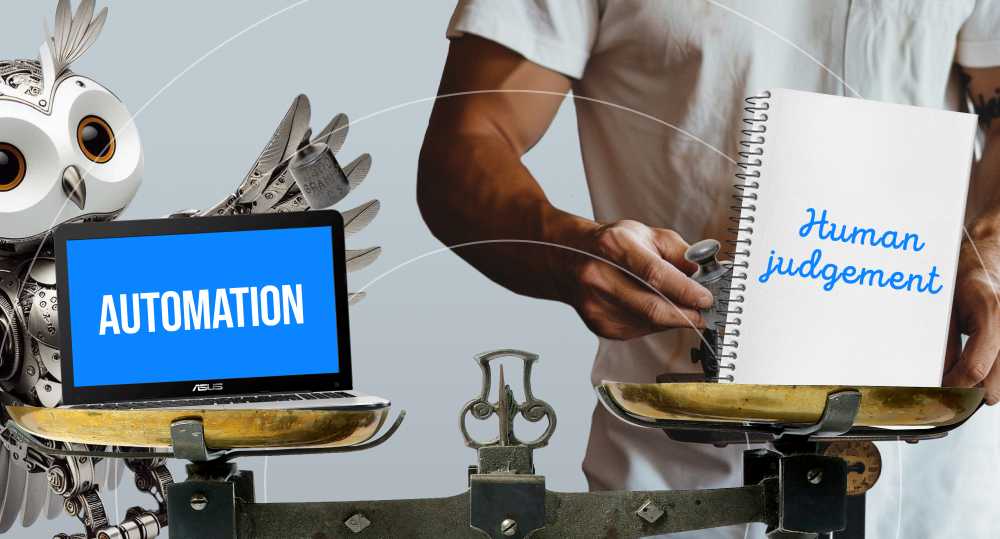
Let's approach AI with a level-headed perspective. Generative AI tools like ChatGPT or GitHub Copilot can help maintain code quality and expedite development processes, but a delicate balance between automation and human judgment is paramount. In this new era, developers must be adept at navigating alongside generative AI, adhering to essential safeguards:
But remember: AI is not a usurper seeking to supplant development teams. Instead, it acts as a dynamic aid that complements, rather than replaces, human wits. It invites non-technical users into the fold, narrowing the divide between imagination and implementation.
Software development with Gen-AI is challenging and exciting all at once. But you don’t have to do it alone. Whether you need technical support or training, we're just a click away. Contact us today, and let’s code more responsibly with AI!
Sure! It can be your helpful assistant in various activities, including:
No one can answer this question with certainty. Every year, groundbreaking technologies emerge, yet each of them eventually gives way to something even more advanced.
Artificial intelligence is undeniably shaping the future of software development, yet the human remains irreplaceable. Although AI excels at handling complex tasks and automating certain aspects of software engineering, the expertise and inventive flair of developers are still essential for making key decisions. As well as thorough data safety measures.
Here's a list of the best AI tools that have proven their efficiency in handling coding tasks (based on the lists from developer.com, GeekFlare, and theServerSide):
Here's a quick guide to get you started:
Related articles
About the Author